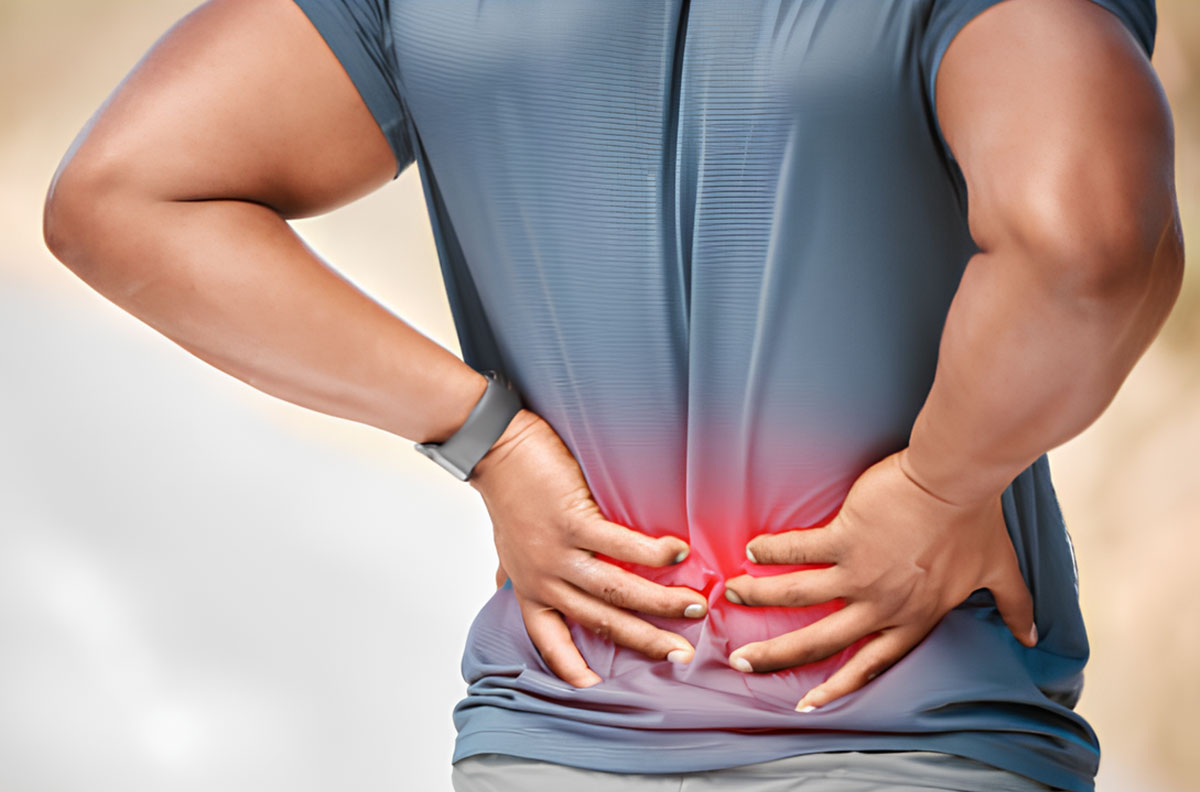


Spinal Problems in Sports Injuries: 7 Effective Prevention and Rehabilitation Methods
27 March 2026
What is Kyphosis?
27 March 2026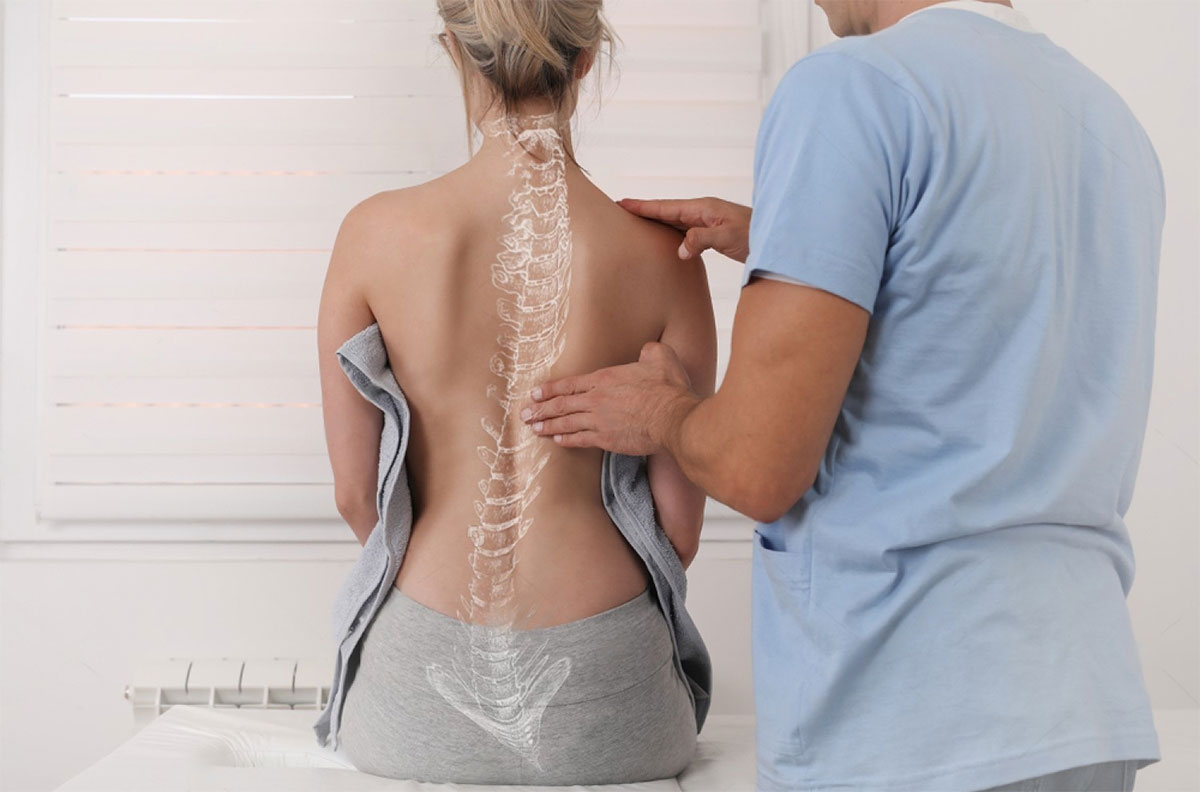
Scoliosis is a condition characterized by an abnormal sideways curvature of the spine. It is usually diagnosed during childhood or adolescence and may progress over time. Although the exact causes of scoliosis are not fully known, genetic factors are believed to play a significant role. Additionally, congenital spinal abnormalities, as well as muscular and neurological disorders, can also lead to scoliosis.
Symptoms of scoliosis include uneven shoulders and hips, curvature of the lower back, back pain, and fatigue. These symptoms may vary depending on the degree and type of scoliosis. Scoliosis is typically diagnosed through physical examination and imaging methods such as X-rays. These methods are used to determine the degree and location of the spinal curvature.
Treatment methods vary depending on the severity of scoliosis. In mild cases, doctors usually recommend regular monitoring and physical therapy. During this process, the spinal curvature is regularly checked and supported with exercises. In moderate cases, especially in children, brace treatment is commonly used to prevent further progression of the curvature. Braces help keep the spine aligned and reduce worsening of the condition.
In severe and progressive cases of scoliosis, surgical intervention may be required. In scoliosis surgery, metal rods, hooks, and screws are used to align and stabilize the spine. After surgery, patients usually undergo a period of physical therapy and rehabilitation.
Early diagnosis is very important in the treatment of scoliosis. Families should consult a specialist if they notice any abnormalities in their child’s spine. Scoliosis detected at an early stage responds better to treatment and its progression can be controlled.
In conclusion, scoliosis is a serious condition involving curvature of the spine. Treatment methods vary depending on the patient’s age, the degree of curvature, and the rate of progression. With regular check-ups and appropriate treatment plans, the negative effects of scoliosis can be minimized and patients’ quality of life can be improved.