

Spinal Health in the Elderly: Osteoporosis and Bone Density
27 March 2026
What is scoliosis?
27 March 2026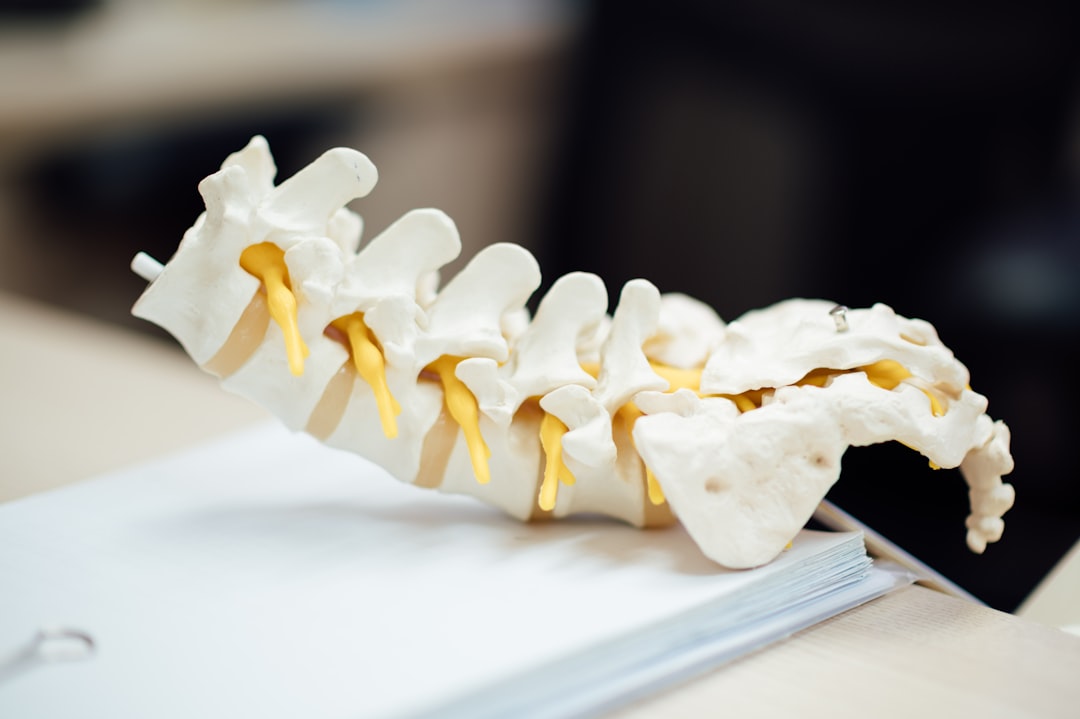
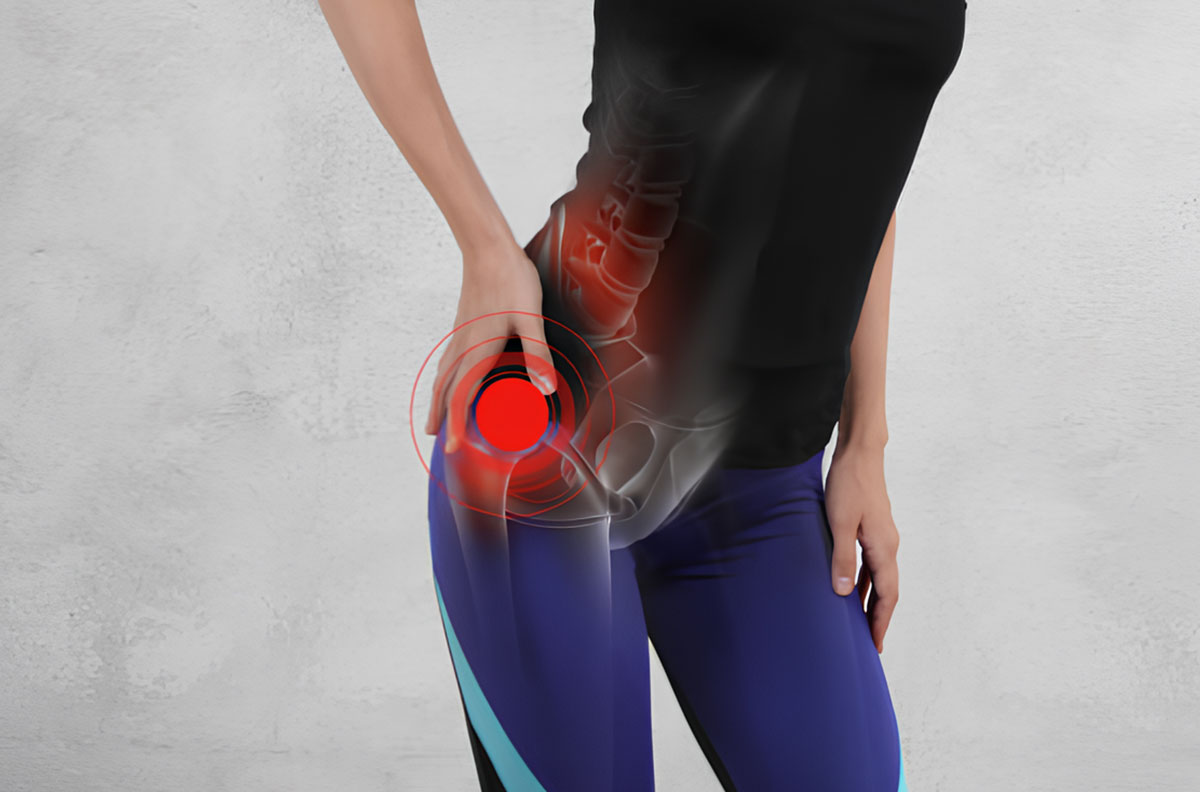
Spinal problems in sports injuries are serious health issues that directly affect performance and can determine the length of an athlete’s career.
Especially spinal injuries in athletes are more common due to intense training schedules and repetitive loading. At this point, properly planned spinal rehabilitation for athletes should be handled individually and carried out with personalized programs. The spine is a critical structure for athletes, and any injury can significantly affect performance. The spine is the center of balance, movement, and force transmission in the body. Problems in this area can lead not only to pain but also to strength loss, decreased flexibility, and impaired coordination. Prof. Dr. Sinan Kahraman’s expertise in orthopedics and traumatology provides comprehensive insights into spinal diseases and treatments. In this article, we will discuss common spinal problems in sports injuries, prevention methods, rehabilitation processes, and performance protection strategies in detail.
Why Are Spinal Problems Important in Athletes?
Athletes are exposed to intense physical activity, which places significant stress on the spine. Weightlifting, sudden directional changes, jumping, and contact sports can create serious stress on spinal discs and connective tissues. Repetitive microtraumas may turn into chronic problems over time. Therefore, spinal injuries in athletes should be considered not only as acute issues but also as long-term risk factors.
The following conditions are more commonly seen in athletes:
- Scoliosis
- Kyphosis
- Herniated disc (lumbar disc herniation)
- Spinal stenosis
- Stress fractures
- Muscle and ligament injuries
These types of spinal problems not only reduce performance but can also put an athlete’s career at risk. Training duration may decrease due to pain, and loss of strength and endurance may occur. Maintaining spinal health is crucial for both reducing injury risk and preventing long-term health problems.
Additionally, the spine is not only a mechanical structure; it is directly connected to the nervous system. Compression on the spine can affect nerve transmission, leading to weakness in muscle control. This is especially noticeable in professional athletes as a decline in performance.
Prevention of Spinal Problems in Athletes
The main strategies for preventing spinal problems are as follows:
Regular and proper warm-up:
Adequately warming up the muscles that support the spine before training prepares the musculoskeletal system and reduces sudden strain. Dynamic stretching activates surrounding muscle groups and lowers injury risk.
Correct technique:
Performing sports movements with proper technique prevents unnecessary pressure on the spine. Incorrect techniques in sports such as weightlifting, football, basketball, and wrestling can cause serious disc damage.
Flexibility and strength exercises:
Strengthening core muscles around the spine provides stability. Exercises such as planks, bridges, and controlled resistance training support the spine. Flexibility exercises reduce muscle imbalances and increase range of motion.
Balanced training program:
Overloading should be avoided, and a balance between training and rest must be maintained. Insufficient recovery increases the risk of spinal problems in sports injuries.
Ergonomic equipment use:
Shoes, weight belts, knee supports, and other equipment should be selected to support spinal health. Using sport-specific equipment optimizes load distribution.
Periodic medical evaluation:
Regular spinal check-ups should be conducted, especially for elite athletes. Early detection of minor problems can prevent major injuries in the future.
The World Health Organization states that musculoskeletal injuries are among the most common factors that reduce performance in athletes.
These preventive approaches significantly reduce the risk of spinal problems in sports injuries.
Rehabilitation and Treatment Methods
When spinal injuries occur in athletes, treatment should begin with early intervention. Spinal rehabilitation should be planned specifically for the athlete, considering their sport, age, and performance level.
Main methods include:
Physical therapy:
Aims to strengthen muscles, reduce pain, and improve mobility. Manual therapy, electrotherapy, and customized exercise programs may be applied.
Medical treatment:
Anti-inflammatory medications and muscle relaxants may be used for pain control. Injection therapies can be applied when necessary.
Minimally invasive surgery:
Modern surgical techniques with small incisions are preferred in conditions such as herniated discs or spinal stenosis. These methods provide faster recovery and allow athletes to return to sports more quickly.
Functional rehabilitation programs:
Movement quality is restored through personalized programs. Strength, balance, and coordination exercises are prioritized.
The goal of treatment is not only to relieve pain but also to ensure the athlete returns safely to their sport. The rehabilitation process should not be rushed and must progress in a controlled manner.
Performance Protection Strategies
A multidisciplinary approach is required to maintain and improve performance after injury. This process includes not only physical recovery but also psychological and metabolic factors.
Key strategies include:
- Personalized rehabilitation programs
- Sport-specific strengthening plans
- Nutritional support and protein balance
- Psychological resilience training
- Regular medical follow-up
- Movement analysis and technique correction
Continuous monitoring of spinal health and early intervention when necessary are critical for athletes to sustain long-term careers. Regular spinal evaluations, especially in elite athletes, help minimize injury risk and ensure performance continuity.
For more detailed information about herniated discs, you can review our article on hernia treatment.
Spinal problems in sports injuries can be controlled with early diagnosis and proper treatment. With professional evaluation, appropriate rehabilitation planning, and conscious training programs, athletes can maintain performance and avoid long-term health problems. When spinal rehabilitation is planned individually, the return-to-play process becomes safer and more successful.
For early diagnosis and proper treatment of spinal problems, you can visit the official website of Prof. Dr. Sinan Kahraman.