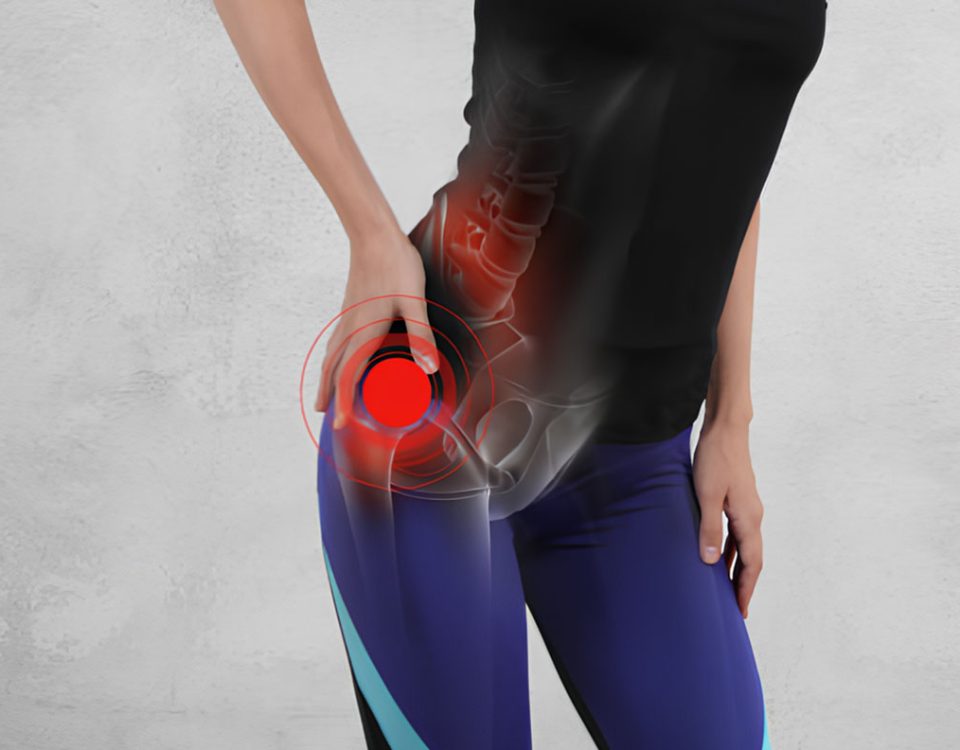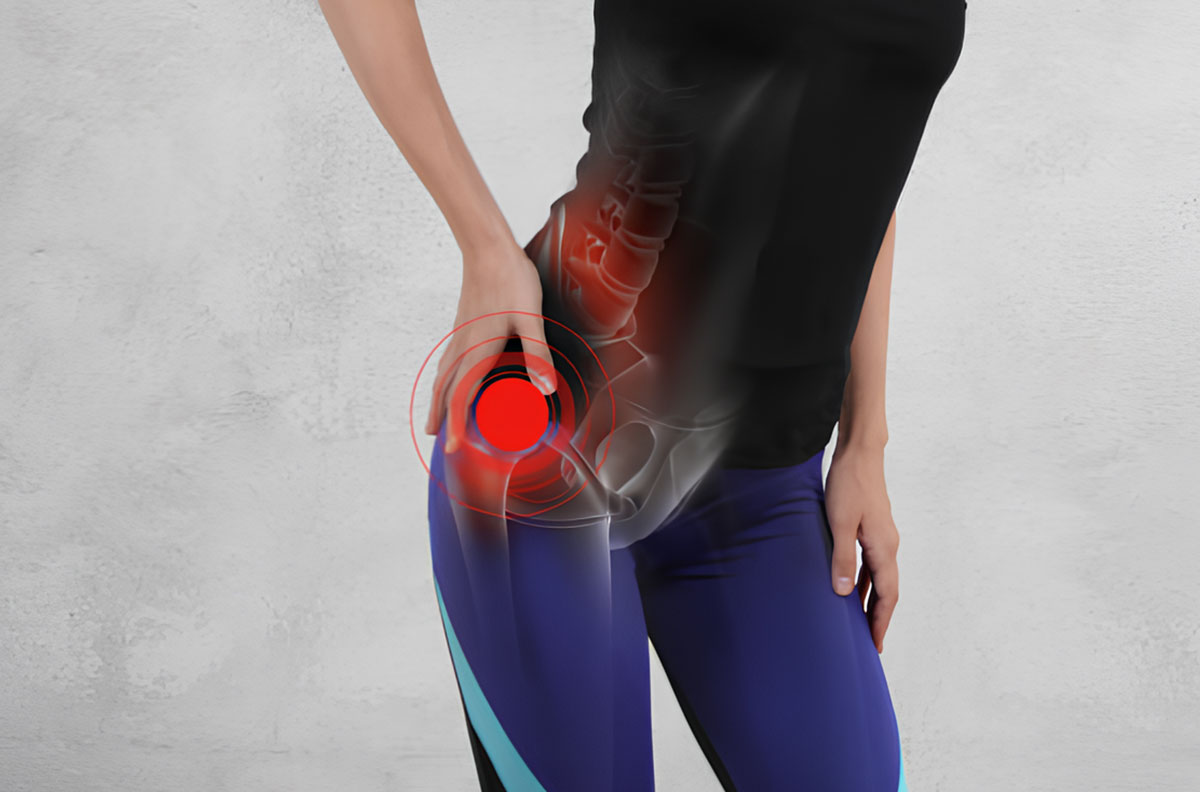



What is hip osteoarthritis?
27 March 2026
What is Spinal Stenosis?
27 March 2026
What is a slipped disc?
Spondylolisthesis, medically known as spondylolisthesis, is a condition characterized by one vertebra slipping forward or backward over the vertebra beneath it. This slippage can disrupt the stability of the spine, place pressure on the nerves, and cause pain. Spondylolisthesis most commonly occurs in the lower back, also known as the lumbar spine.
There are several causes of spondylolisthesis. The most common include congenital spinal abnormalities, age-related degenerative changes in the spine, trauma, and injuries caused by repetitive stress. Genetic factors may also increase the risk of developing this condition. Spondylolisthesis is more commonly seen in athletes and individuals who perform heavy physical work due to excessive strain placed on the spine.
The symptoms of spondylolisthesis vary depending on the severity of the slippage and the pressure on the nerves. The most common symptoms include lower back pain, leg pain, numbness or tingling in the legs, muscle weakness, and limited mobility. The pain usually increases with movement and decreases with rest. In advanced cases, neurological symptoms such as loss of strength in the legs and difficulty walking may also occur.
The diagnosis of spondylolisthesis is made through physical examination, the patient’s medical history, and imaging methods such as X-rays, MRI, or CT scans. These methods are used to evaluate the degree of vertebral slippage, the condition of the nerve roots, and other structural abnormalities.
Treatment options vary depending on the severity of the condition and the patient’s symptoms. In mild cases, conservative treatment methods such as rest, physical therapy, pain relievers, and anti-inflammatory medications may be used. Physical therapy aims to strengthen the muscles supporting the spine and improve mobility.
In moderate and severe cases, surgical intervention may be required to restore spinal stability and reduce nerve pressure. Surgical methods include spinal fusion and the use of implants that stabilize the spine.
With early diagnosis and appropriate treatment, the symptoms of spondylolisthesis can be controlled and patients’ quality of life can be improved. Therefore, it is important to consult a specialist when lower back pain or other symptoms are noticed.