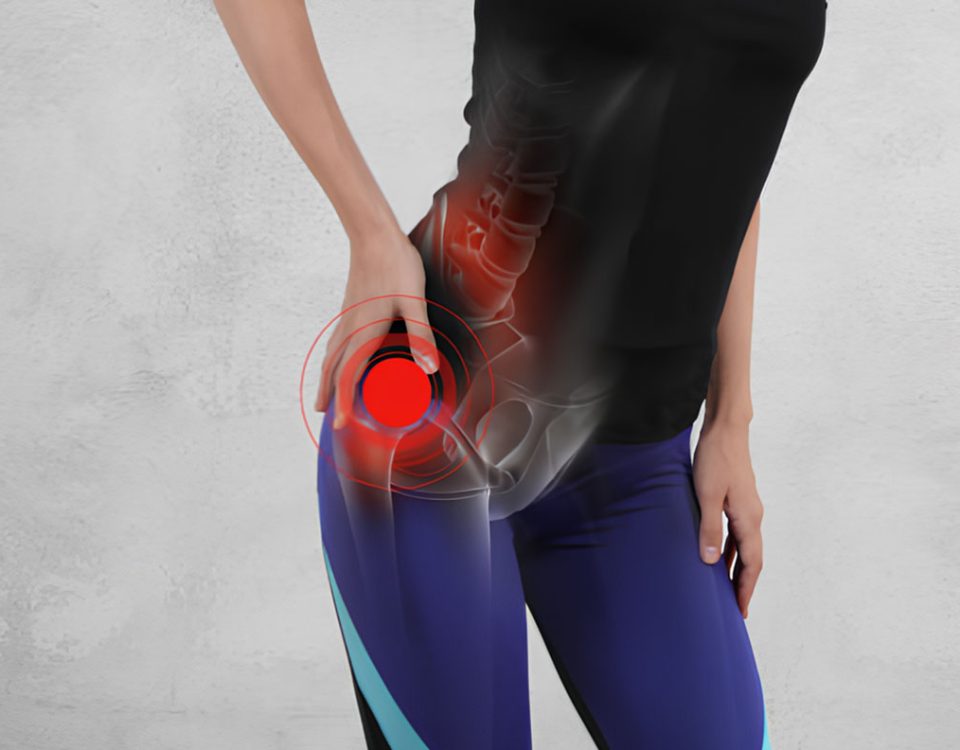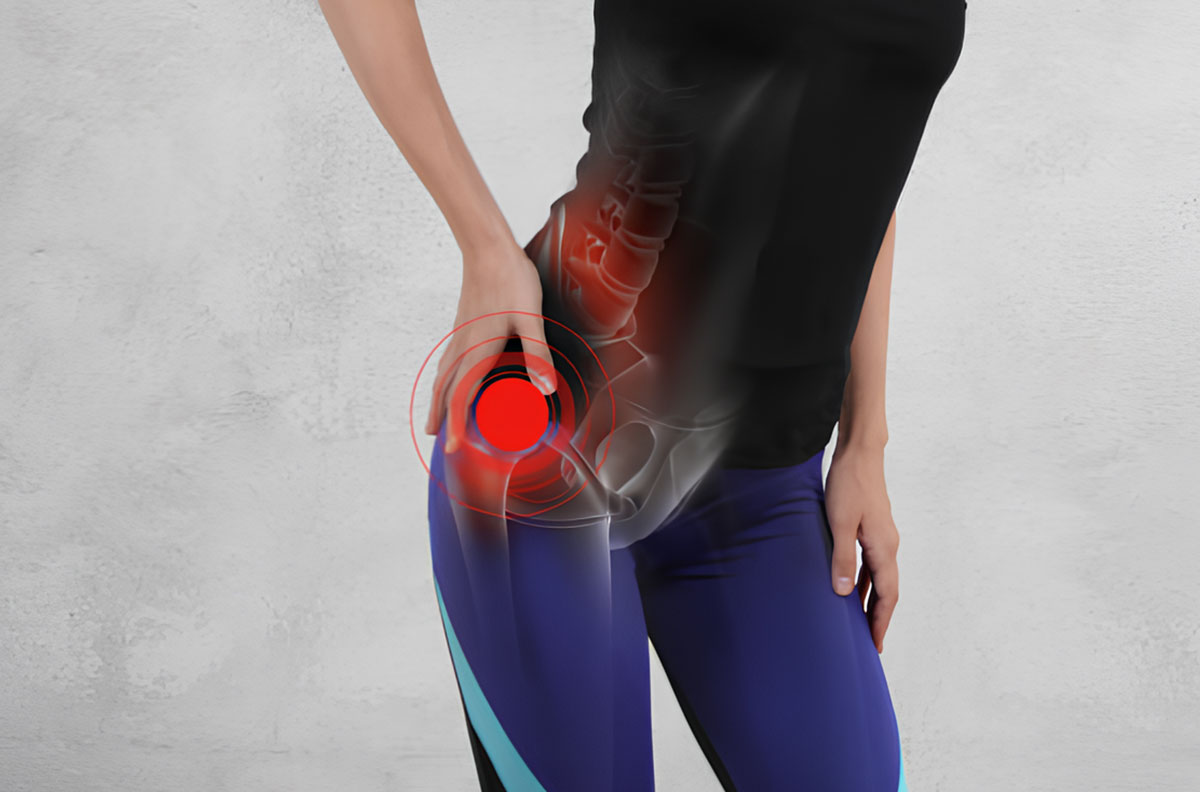



What is hip dislocation?
27 March 2026
What is tennis elbow?
27 March 2026What Is Frozen Shoulder?
Frozen shoulder, medically known as adhesive capsulitis, is a condition that causes progressive and painful restriction of shoulder movement. It occurs due to inflammation and thickening of the capsule (the tissue surrounding the joint) around the shoulder. This condition limits shoulder mobility and can lead to significant difficulties in daily activities.
The main causes of frozen shoulder include inflammation and thickening of the shoulder capsule due to infection, trauma, postoperative recovery, prolonged immobility, or repetitive microtrauma. Additionally, systemic diseases such as diabetes, thyroid disorders, and heart disease can increase the risk of developing frozen shoulder.
Symptoms of frozen shoulder typically develop gradually and progress through three stages. In the first stage, shoulder pain and mild limitation of movement occur. In the second stage, pain increases and shoulder movements become more restricted. In the third stage, there is almost complete loss of shoulder mobility, making daily activities very difficult.
Diagnosis of frozen shoulder is made through physical examination and imaging methods. During the physical examination, the doctor evaluates the limitation of movement and pain in the shoulder. Imaging techniques such as X-rays, MRI, or ultrasound are used to identify structural changes in the shoulder joint and rule out other possible causes.
Treatment options vary depending on the severity of the condition and the patient’s symptoms. In mild cases, conservative treatments such as pain relievers, anti-inflammatory medications, physical therapy, and exercises to improve shoulder mobility may be sufficient. In moderate to severe cases, more advanced treatments such as steroid injections, manipulation under anesthesia (MUA), and surgical intervention may be considered.
With early diagnosis and appropriate treatment, the symptoms of frozen shoulder can be controlled and patients’ quality of life can be improved. Therefore, it is important to consult a specialist when symptoms such as shoulder pain and restricted movement are noticed.