


What is knee osteoarthritis?
27 March 2026
What is a slipped disc?
27 March 2026
What is Hip Osteoarthritis?
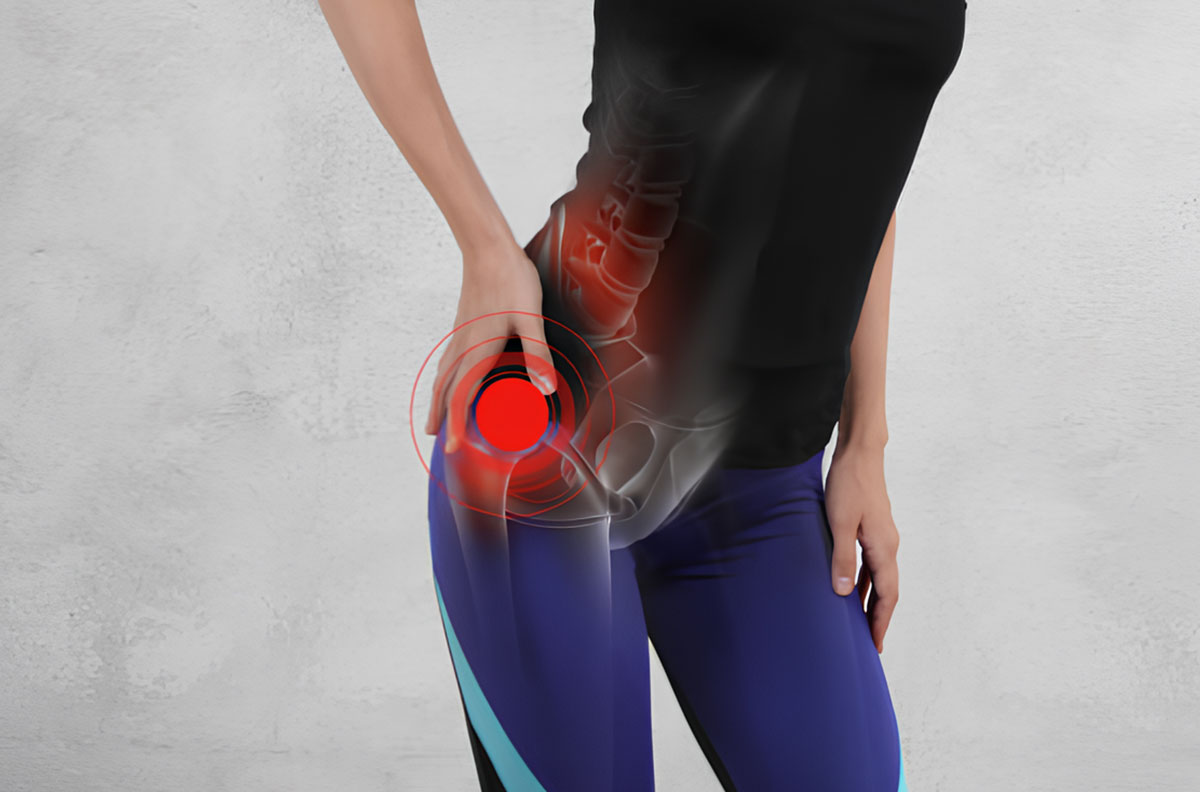
Hip osteoarthritis, medically known as hip osteoarthritis, is a degenerative joint disease that occurs in the hip joint. This condition develops as a result of the wear and gradual damage of the joint cartilage. The cartilage in the hip joint allows smooth movement by preventing the bones from rubbing against each other. However, when the cartilage becomes thinner or completely worn away, the bones begin to rub against each other, leading to pain, swelling, and limited mobility.
The main causes of hip osteoarthritis include aging, excess weight, joint injuries, genetic factors, and repetitive stress on the hip joint. Aging causes natural wear and deterioration of cartilage over time. Excess weight places additional load on the hip joint, accelerating cartilage damage. Joint injuries, especially trauma caused by sports or accidents, can speed up the development of hip osteoarthritis. Additionally, certain genetic factors may make individuals more prone to developing osteoarthritis.
Symptoms of hip osteoarthritis include hip pain, stiffness, swelling, and limited joint mobility. Pain is usually felt in the groin area and may sometimes radiate down to the knee. This pain typically increases during or after activity and may decrease with rest. In advanced cases, pain may persist even at rest. Additionally, due to limited mobility, daily activities such as climbing stairs, sitting, and walking may become difficult.
Diagnosis of hip osteoarthritis is made through physical examination, patient medical history, and imaging methods such as X-rays. X-rays can reveal signs of osteoarthritis such as joint space narrowing, bone spurs (osteophytes), and cartilage loss. In some cases, advanced imaging methods such as MRI may also be used.
Treatment options include lifestyle changes, medication, physical therapy, and surgical intervention. Lifestyle modifications include weight control, low-impact exercises, and avoiding excessive use of the joint. Medications such as pain relievers and anti-inflammatory drugs are used to reduce pain and inflammation. Physical therapy is applied to strengthen muscles and improve joint mobility. In advanced cases, surgical procedures such as hip replacement surgery may be required.
With early diagnosis and appropriate treatment, the progression of hip osteoarthritis can be slowed and patients’ quality of life can be improved. Therefore, it is important to consult a specialist when hip pain or other symptoms are noticed.