


What is Spinal Stenosis?
27 March 2026
What is a cervical herniated disc?
27 March 2026
What is a Herniated Disc?
A herniated disc, medically known as a lumbar disc herniation, is a condition in which the discs between the vertebrae rupture or slip into the spinal canal, putting pressure on the nerve roots. The discs located between the vertebrae help provide flexibility to the spine and act as shock absorbers. However, when the outer layer of these discs tears or the inner part protrudes outward, a herniated disc occurs.
The main causes of a herniated disc include aging, excess weight, heavy lifting, sudden movements, genetic factors, and repetitive stress on the spine. During the aging process, discs lose water content and elasticity, which increases the risk of rupture or displacement. Additionally, poor posture habits and heavy physical activities can also lead to a herniated disc.
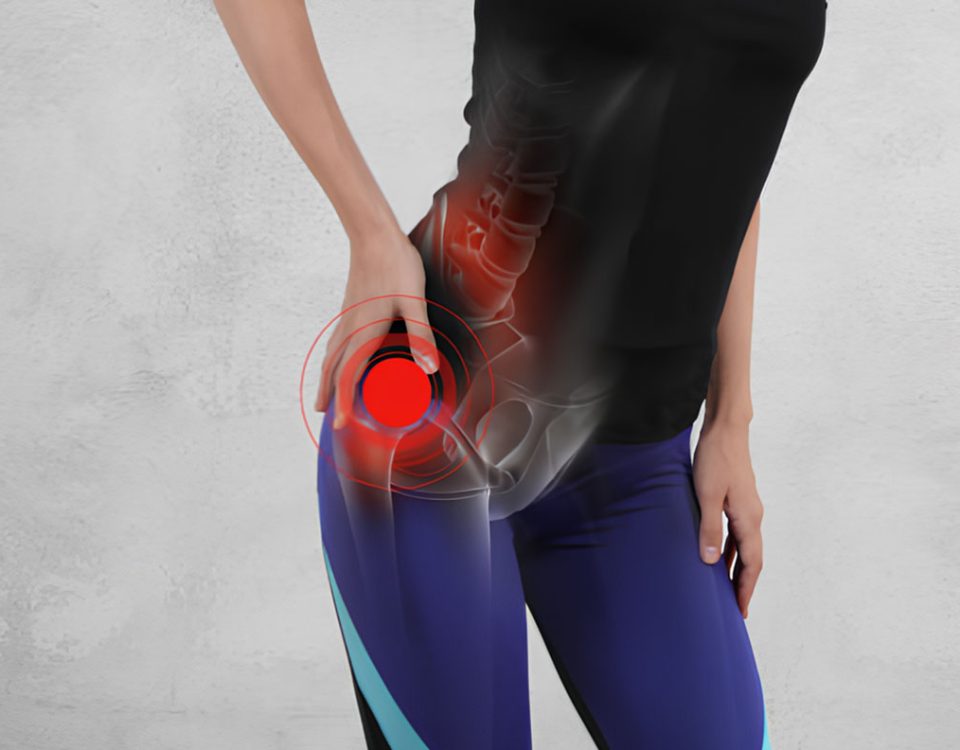
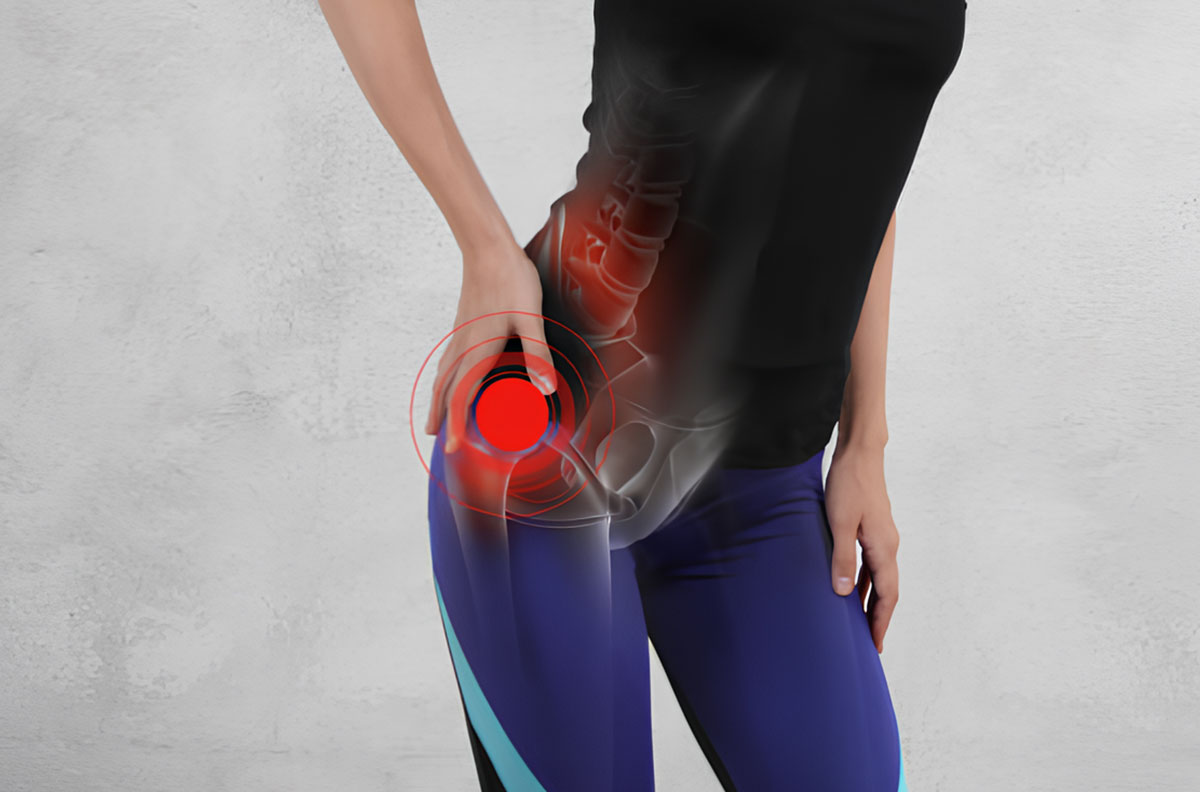
Symptoms of a herniated disc include lower back pain, leg pain (sciatica), numbness or tingling, muscle weakness, and loss of reflexes. The pain usually starts in the lower back and may radiate down the legs.
Sciatic pain is typically felt along the back of the leg and may worsen with walking, sitting, or bending forward. In advanced cases, serious neurological symptoms such as loss of bladder and bowel control may occur.
The diagnosis of a herniated disc is made through physical examination, patient medical history, and imaging methods such as MRI, CT scans, or X-rays. These methods are used to evaluate the condition of the discs, the degree of nerve root involvement, and other structural abnormalities.
Treatment options vary depending on the severity of the condition and the patient’s symptoms. In mild cases, conservative treatments such as rest, physical therapy, pain relievers, and anti-inflammatory medications may be sufficient. Physical therapy aims to strengthen the muscles supporting the spine and improve flexibility. Epidural steroid injections may also be used to reduce pain and inflammation.
In moderate and severe cases, surgical intervention may be required. Surgical methods include discectomy (removal of the herniated portion of the disc) and microsurgical techniques. The goal of surgery is to relieve nerve pressure and reduce symptoms.
With early diagnosis and appropriate treatment, the symptoms of a herniated disc can be controlled and patients’ quality of life can be improved. Therefore, it is important to consult a specialist when lower back pain or other symptoms are noticed.