

What is Achilles tendon rupture?
27 March 2026What is frozen shoulder?
27 March 2026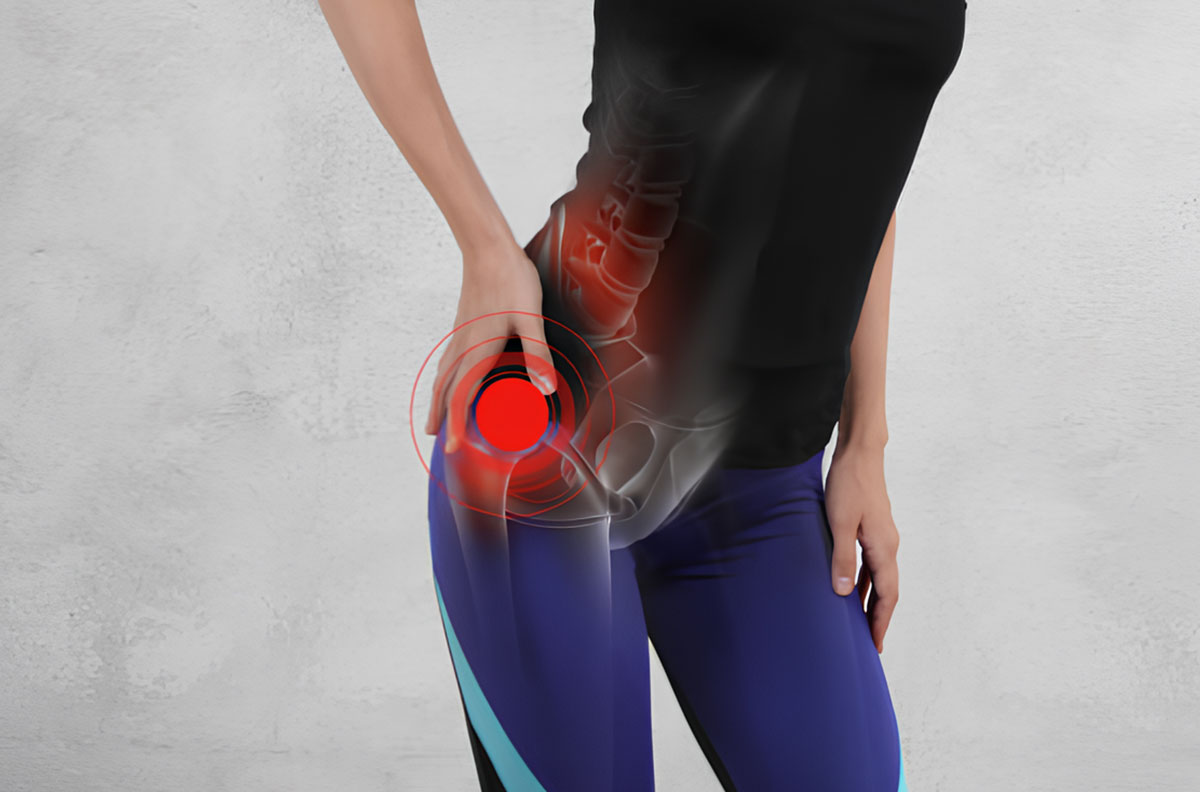
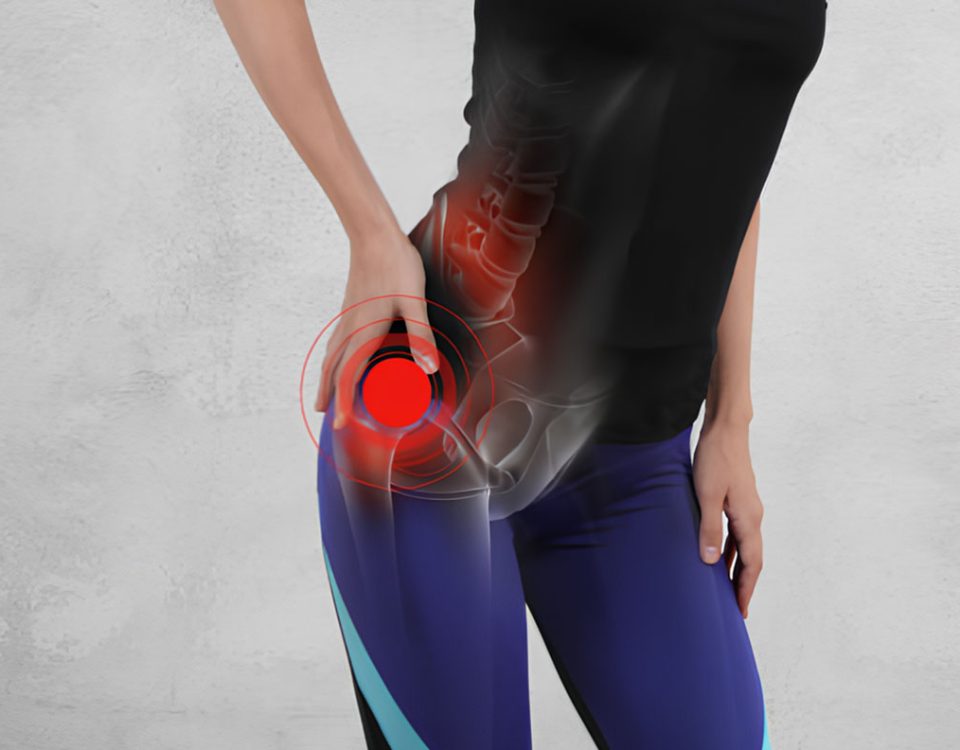
What Is Hip Dislocation?
Hip dislocation, medically referred to as hip dysplasia, is a condition in which the head of the hip joint (femoral head) is not properly positioned within the hip socket (pelvis). This condition interferes with the normal development of the hip joint and can lead to various problems. Hip dislocation is usually seen in infancy or childhood, although it can rarely occur in adults.
The main causes of hip dislocation include congenital abnormalities of the hip joint and pelvic bones, improper positioning of the baby in the womb, birth trauma, the use of overly tight swaddling, and a family history of hip dislocation. These factors can prevent the hip joint from forming and positioning correctly.
Symptoms of hip dislocation are usually noticed during infancy or childhood. In infants, signs may include one leg being shorter than the other, asymmetry in the hip or thigh folds, abnormal positioning of the legs, knees touching each other, and heels being close together. Hip dislocation in infants is often detected during routine examinations or while changing diapers.
Diagnosis of hip dislocation is made through physical examination and imaging methods. During the physical exam, the doctor evaluates the baby’s leg movements and hip joint mobility. Imaging techniques such as ultrasound and X-rays are used to determine the position of the hip joint and identify any abnormalities.
Treatment options vary depending on the severity of the condition and the patient’s age. In mild cases, devices such as the Pavlik harness are used to keep the hip joint in the correct position, along with physical therapy. In moderate to severe cases, surgical intervention may be required to correct the dislocation. Surgery ensures that the hip joint is properly aligned and stabilized.
With early diagnosis and appropriate treatment, complications of hip dislocation can be prevented and normal hip development can be supported. Therefore, regular health check-ups during infancy are important, and a specialist should be consulted if any signs of hip dislocation are observed.