


What is a cervical herniated disc?
27 March 2026
What is an Anterior Cruciate Ligament Tear?
27 March 2026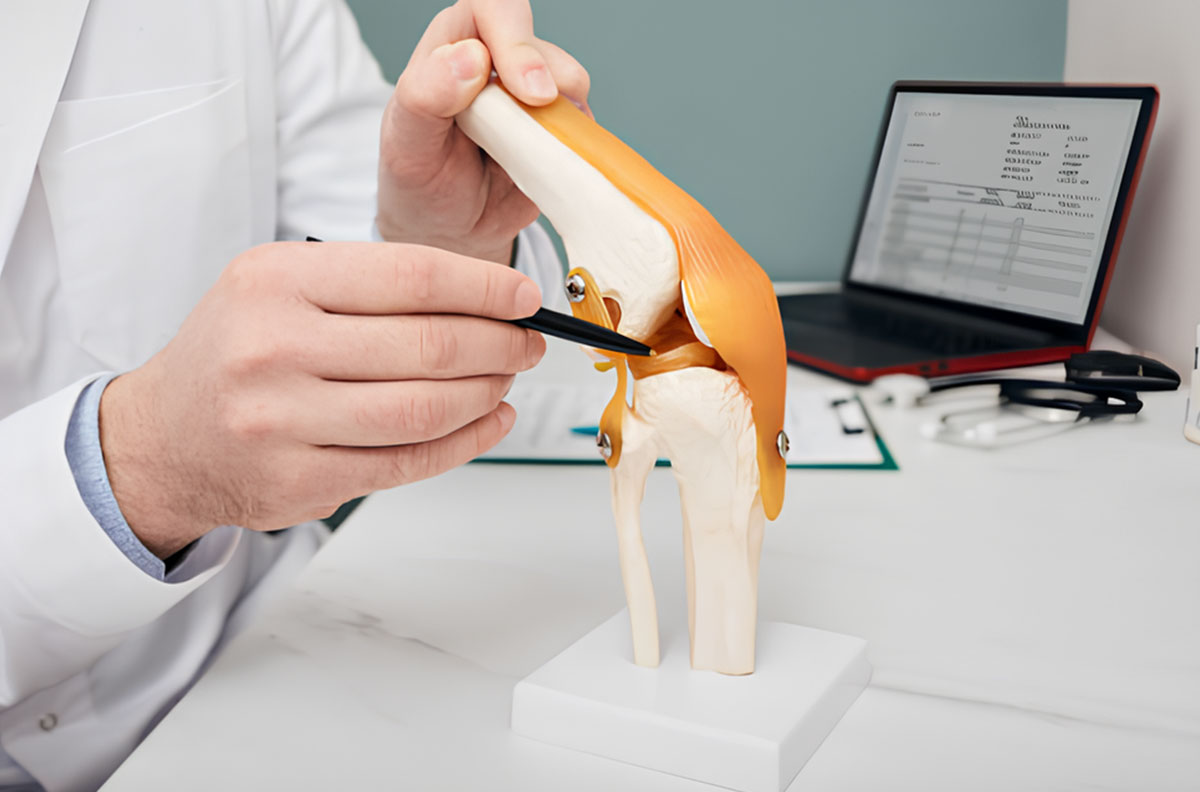
What Is a Meniscus Tear?
A meniscus tear is an injury that occurs when the menisci—C-shaped cartilage structures in the knee joint—are torn. The menisci act as shock absorbers and contribute to the stability of the joint. Each knee has two menisci: the medial (inner) and the lateral (outer). Meniscus tears commonly occur due to sports injuries, sudden twisting movements, or excessive strain on the knee.
The main causes of meniscus tears include sports activities, especially those involving sudden twisting and pivoting movements such as football and basketball. Additionally, with aging, the menisci can weaken, leading to degenerative tears. In such cases, even a simple misstep or minor trauma can result in a meniscus tear.
Symptoms of a meniscus tear include knee pain, swelling, a locking or catching sensation, limited range of motion, and clicking sounds from the knee. Depending on the size and location of the tear, some patients may have difficulty walking or may not be able to fully bend their knee. Pain is usually felt on the inner or outer side of the knee and may increase with activity.
Diagnosis of a meniscus tear is made through physical examination, medical history, and imaging methods such as MRI. During the physical examination, the doctor evaluates the location and severity of the tear by moving the knee in different positions. MRI provides detailed imaging of the tear and helps identify other structural abnormalities.
Treatment options vary depending on the size and location of the tear and the patient’s symptoms. In mild cases, conservative treatments such as rest, ice application, compression, and elevation (RICE protocol), along with pain relievers and anti-inflammatory medications, may be sufficient. Physical therapy aims to strengthen the muscles around the knee and improve joint mobility.
In more severe cases or when conservative treatment fails, surgical intervention may be required. Arthroscopic surgery is a minimally invasive method performed through small incisions and is used to repair the meniscus or remove the damaged portion. Postoperative rehabilitation is essential for strengthening the knee and restoring normal function.
With early diagnosis and appropriate treatment, the symptoms of a meniscus tear can be controlled and patients’ quality of life can be improved. Therefore, it is important to consult a specialist when knee pain or related symptoms are noticed.